
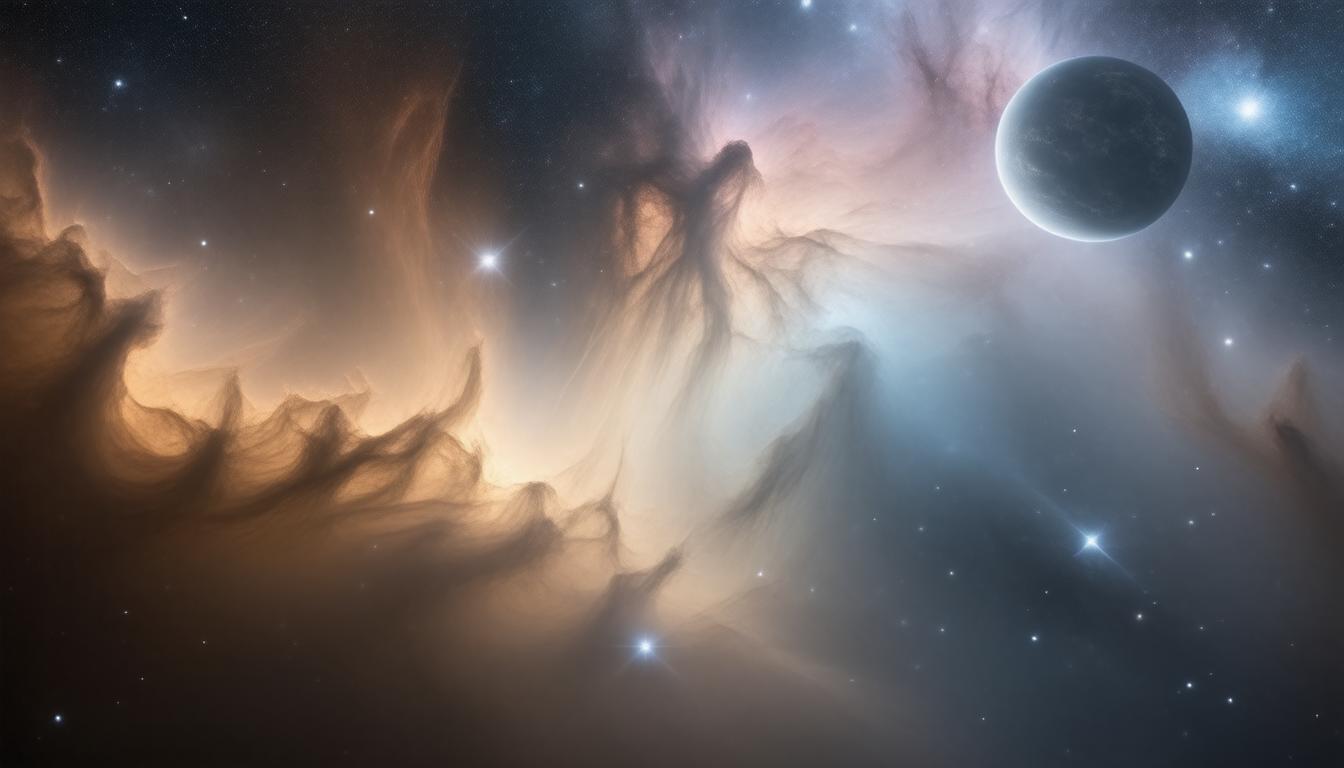
Space has fascinated humanity for centuries, serving as a canvas for our imaginations and a frontier for our explorations. From ancient civilizations tracking the stars to modern scientists unveiling the mysteries of the cosmos, our quest to understand the universe continues to evolve. In this article, we will delve into some of the most intriguing aspects of space, including the enigmatic forces of dark matter and dark energy, the fascinating role of black holes, the ongoing search for exoplanets and the potential for alien life, and the exciting future of space exploration. Join us as we uncover the secrets of the universe and explore the wonders of space.
Topics
- Dark matter and dark energy remain two of the greatest mysteries in astrophysics, shaping our understanding of the universe.
- Black holes play a crucial role in cosmic evolution, impacting galaxy formation and behavior.
- The search for exoplanets is critical to discovering potential alien life beyond our solar system.
- Advancements in space exploration technologies are paving the way for exciting future missions.
- Understanding space phenomena deepens our appreciation of the universe and our place within it.
The Mysteries of Dark Matter and Dark Energy
The vast expanse of space is filled with wonders that challenge our understanding of the universe, particularly when it comes to dark matter and dark energy. These two enigmatic components account for about 95% of the total mass-energy content of the universe yet remain largely mysterious to scientists. Dark matter, which is believed to constitute around 27% of the universe, does not emit, absorb, or reflect light, making it invisible and detectable only through its gravitational effects on visible matter. In contrast, dark energy, comprising roughly 68% of the universe, is theorized to be responsible for the accelerating expansion of space. This divergence of elements is crucial for comprehending cosmic structures and the fate of the universe. As astronomers delve deeper into the cosmos, understanding these mysteries of dark matter and dark energy could not only illuminate how galaxies form and evolve but also fundamentally reshape our grasp of space itself.
The Role of Black Holes in the Universe
Black holes are one of the most intriguing and mysterious phenomena in the cosmos, playing a critical role in the structure and evolution of the universe. Essentially, black holes are regions in space where the gravitational pull is so strong that nothing, not even light, can escape their grasp. This unique characteristic makes them invisible to traditional observation methods, leading scientists to infer their existence through effects on surrounding matter and light. The influence of black holes extends far beyond their immediate vicinity; they are thought to be crucial in the formation and evolution of galaxies. Supermassive black holes, which lurk at the centers of most galaxies, including our Milky Way, can impact the orbits of stars and the dynamics of entire galaxies, shaping their growth and development over billions of years. Their complex interactions with dark matter and other cosmic entities further highlight the essential role of black holes in the broader landscape of space, prompting ongoing research and exploration to unlock the secrets they hold about the nature of reality itself.
‘We are made of star-stuff. We are a way for the universe to know itself.’ — Carl Sagan
The Search for Exoplanets and the Possibility of Alien Life
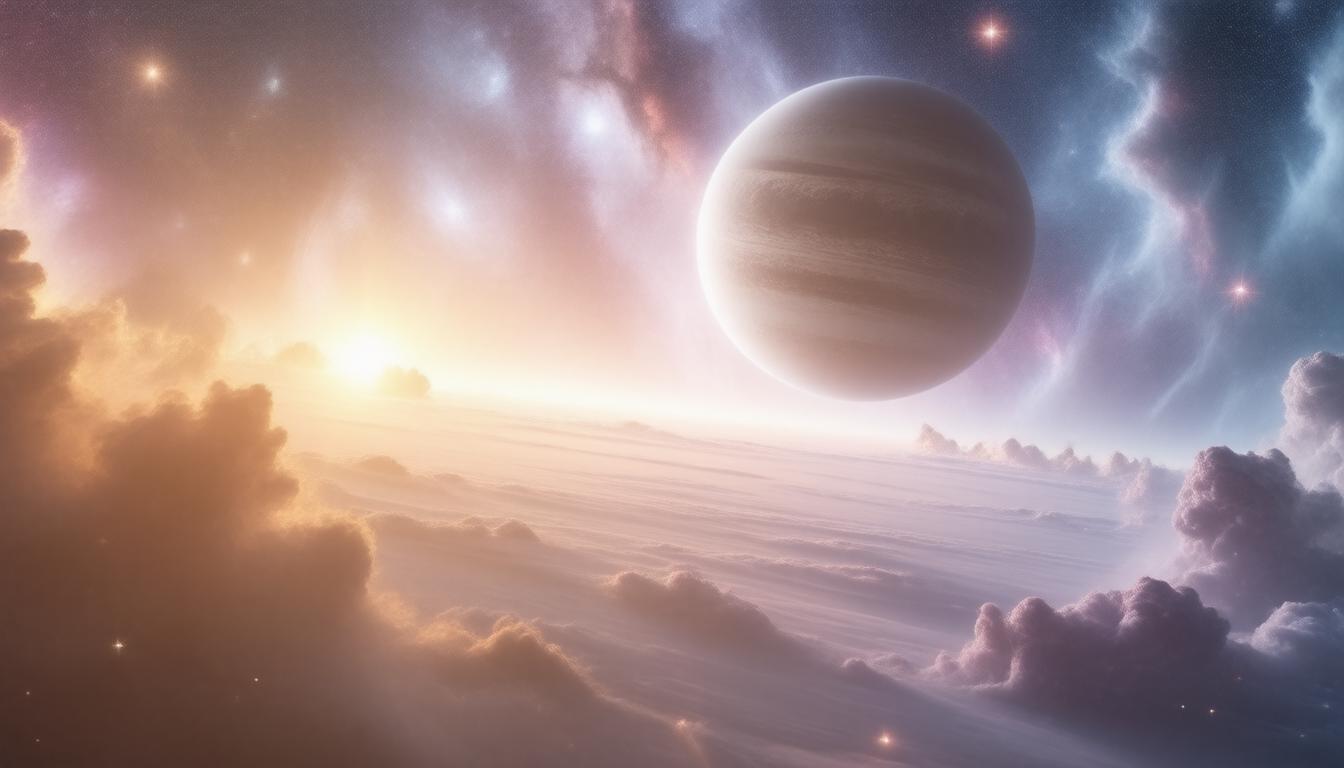
The search for exoplanets and the possibility of alien life has captivated humanity’s imagination for centuries, driving advances in technology and science in the vast realm of space. Every year, numerous discoveries reveal planets orbiting distant stars, many of which lie within their star’s habitable zone—an area where conditions may support liquid water and, consequently, the potential for life. Instruments such as the Kepler Space Telescope have revolutionized our understanding of these distant worlds, leading to the identification of thousands of exoplanets. Scientists are now focused on characterizing these planets, determining their atmospheres, and assessing whether they possess the essential ingredients for life as we know it. Furthermore, exciting missions like the James Webb Space Telescope are set to enhance our ability to analyze the chemical compositions of these distant atmospheres, searching for biosignatures—indicators that life may exist beyond Earth. As we strive to understand our place in the cosmos, the exploration of exoplanets not only fuels scientific inquiry but also sparks deep philosophical questions about the existence of alien life in the endless expanses of space.
The Future of Space Exploration: Missions and Technologies
As we delve into the future of space exploration, it is crucial to understand the innovative missions and groundbreaking technologies that are set to define this exciting frontier. With advancements in propulsion systems, satellite technology, and robotics, humanity is on the cusp of exploring deeper into our solar system than ever before. Notable missions such as NASA’s Artemis program aim to return humans to the Moon with plans for sustainable habitation by the mid-2020s, paving the way for future crewed missions to Mars. Additionally, emerging private space companies are revolutionizing access to space, reducing costs and increasing frequency of launches. One such technological marvel, SpaceX’s Starship, promises to be a game changer in making interplanetary travel a reality. The integration of artificial intelligence and machine learning further enhances our capabilities, allowing for more efficient mission planning and autonomous systems. As these missions and technologies evolve, they not only push the boundaries of science and exploration but also spark debates about the ethical implications of human presence in space. The exploration of space stands as a testament to human ingenuity and determination, and the coming decades will undoubtedly reshape our understanding of the universe.
Improve your professional profile AND do your part to contribute and advance human civilization by becoming a member today.