

Space exploration has always captured the imaginations of people around the globe, representing the ultimate frontier of human knowledge and adventure. From the early days of sending simple satellites into orbit to the current ambitious missions aimed at uncovering the mysteries of distant planets, the journey of space exploration is marked by pioneering feats and monumental achievements. In this article, we will delve into the fascinating history of space exploration, examine the technological advancements that have propelled these endeavors, explore the ongoing search for extraterrestrial life, and consider the future of this thrilling field. Join us as we unlock the universe and embark on an enlightening voyage through the cosmos.

Topics
- Space exploration began with early human endeavors that laid the groundwork for future missions.
- Technological advancements have revolutionized how we explore the cosmos and gather data.
- The search for extraterrestrial life has driven numerous missions and led to significant discoveries.
- Ongoing advancements in technology are paving the way for more ambitious space exploration initiatives.
- The future of space exploration promises exciting possibilities, including manned missions to Mars and beyond.
The Early Days of Space Exploration: Pioneering Human Endeavors
The early days of space exploration marked a significant leap in human ambition and scientific inquiry, paving the way for our current understanding of the cosmos. Beginning in the mid-20th century, nations raced to conquer the final frontier. The launch of Sputnik 1 by the Soviet Union in 1957 was a landmark event, igniting global interest and competition in space exploration. This was followed by the first human, Yuri Gagarin, orbiting Earth in 1961, showcasing the potential of human presence beyond our planet. Meanwhile, the United States’ Apollo program, culminating in the historic moon landing of 1969, not only captivated millions but also propelled advancements in technology and knowledge. These pioneering endeavors laid the groundwork for future missions, sparking a collaborative spirit in international space exploration that continues to inspire innovation and drive humanity’s quest for knowledge about the universe.
Technological Advancements: Tools That Changed the Game
Technological advancements have significantly transformed space exploration, introducing innovative tools that have not only enhanced our understanding of the universe but also expanded the possibilities for future missions. One of the most groundbreaking tools is the SpaceX Falcon 9 rocket, which revolutionized the economics of space travel with its reusable design, allowing for more frequent and cost-effective launches. Additionally, the Hubble Space Telescope has provided astronomers with unprecedented views of distant galaxies, unraveling mysteries about the cosmos far beyond our own solar system. Furthermore, robotics and artificial intelligence are now integral in navigating harsh extraterrestrial environments, exemplified by Mars rovers like Perseverance and Curiosity, which conduct scientific experiments and gather data autonomously. These cutting-edge technologies are not only changing the game but are also paving the way for a new era of space exploration, promising to uncover the secrets of the universe in ways we never thought possible.
‘To confine our attention to terrestrial matters would be to limit the human spirit.’ – Stephen Hawking
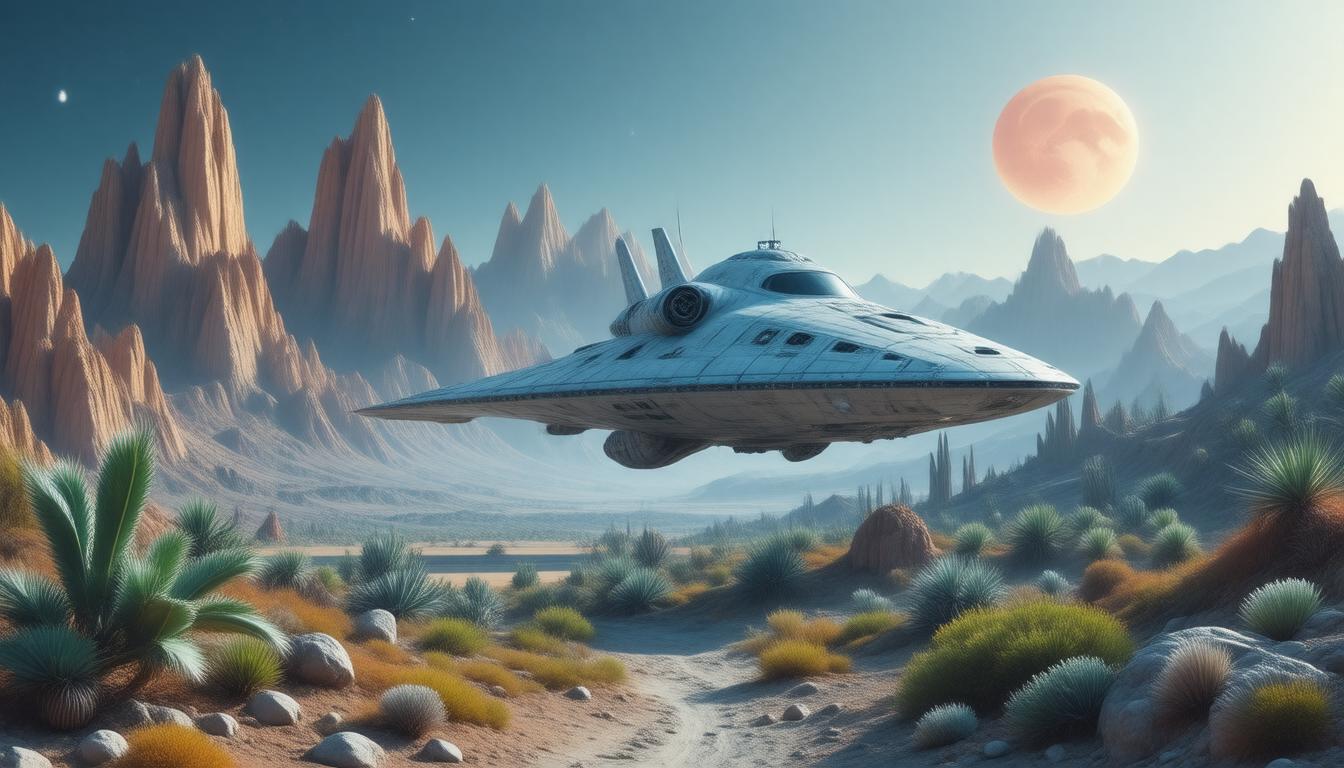
The Search for Life Beyond Earth: Missions and Discoveries
The quest for life beyond Earth has captivated humanity for centuries, driving advances in space exploration that aim to uncover the mysteries of the universe. From the early days of telescopes to modern-day rovers on Mars, each mission contributes to our understanding of the potential for extraterrestrial life. Notable projects, such as NASA’s Perseverance rover and the European Space Agency’s ExoMars, are equipped with sophisticated technology designed to analyze soil samples and search for signs of past microbial life. Additionally, the discovery of extremophiles—organisms that thrive in harsh environments on our planet—has expanded our perspective on where life may exist beyond Earth. With upcoming missions set to explore Jupiter’s icy moon Europa and Saturn’s moon Enceladus, the search for life is more dynamic than ever. As space exploration continues to evolve, it brings us closer to answering one of humanity’s most profound questions: Are we alone in the universe?
The Future of Space Exploration: What Lies Ahead?
As we stand at the dawn of a new era in space exploration, the horizon is vast and filled with exciting possibilities. The future of space exploration promises not only to expand our understanding of the cosmos but also to revolutionize the way we live on Earth. With advancements in technology, such as reusable rocket systems and powerful telescopes, we are on the brink of uncovering new worlds and possibly life beyond our own. Space agencies and private companies alike are setting ambitious goals, including manned missions to Mars, the establishment of lunar bases, and the exploration of asteroids for resources. This renewed interest in space exploration is fueled by the potential for scientific discovery and the desire to secure a human presence beyond our planet. As we look towards the stars, the journey of space exploration not only satisfies our curiosity but also fosters international collaboration and inspires future generations to dream big. The possibilities are endless, and the future holds a wealth of opportunities waiting to be explored.
Improve your professional profile AND do your part to contribute and advance human civilization by becoming a member today.