

As the impact of climate change becomes increasingly apparent, the role of space-based technology in monitoring and understanding these shifts is more critical than ever. Satellite data is revolutionizing how scientists and policymakers assess climate variability, track environmental changes, and develop strategies to mitigate the effects of climate change. This article explores the transformative power of climate monitoring from space, examining its tools, benefits, and implications for global efforts to combat climate change.
The Importance of Satellite Observations
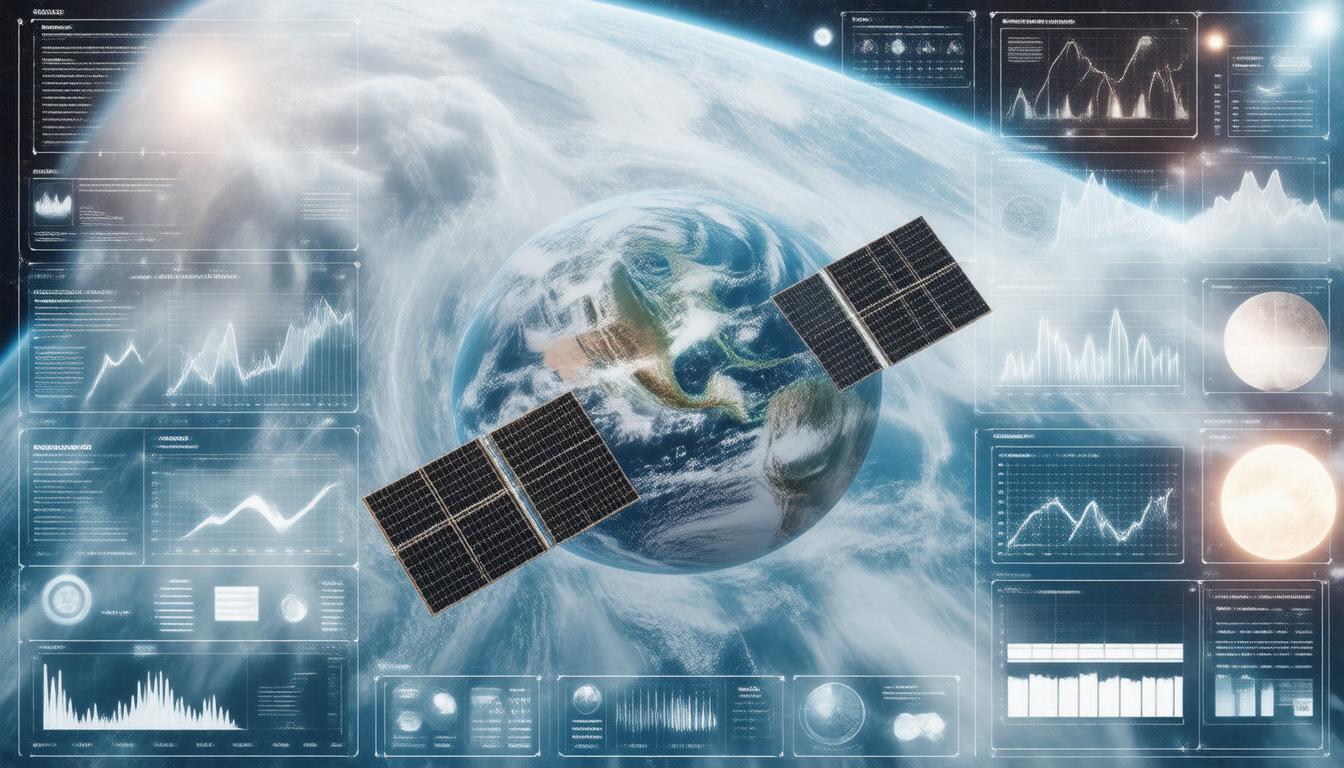
For over five decades, satellites have provided unparalleled insights into our planet’s climate system. With more than 150 Earth observation satellites currently orbiting the globe, these instruments collect critical data on numerous climate variables. According to studies, over 50% of climate parameters can only be measured from space, which highlights the necessity of these advanced technologies in understanding our environment ("Article #3").
Satellites capture a myriad of information relevant to climate monitoring, including atmospheric gases, land surface changes, sea surface temperatures, and polar ice fluctuations. This data is essential for constructing comprehensive global views of how our climate is evolving ("Article #1"). The long-term datasets obtained from these satellite observations, some spanning over 40 years, are invaluable for identifying trends and making accurate climate predictions.
Complementary Ground-Based Data
While satellite data is vital, it is most effective when combined with ground-based observations. In situ measurements provide local insights and validate satellite data, ensuring accuracy and reliability ("Article #1"). This integrated approach allows scientists to confirm and clarify the various changes happening globally, thus improving the understanding of how human activities contribute to climate variability ("Article #2").
Furthermore, data derived from satellites is pivotal in international climate discussions, such as the United Nations Framework Convention on Climate Change and the Paris Agreement. These frameworks depend heavily on precise data to formulate actionable climate policies and response strategies ("Article #2").
Applications and Implications
The data provided by satellites informs government decisions, business strategies, and humanitarian efforts. For instance, during the COP24 summit, satellite data portrayed the urgency of addressing climate change impacts, demonstrating the reliance on real-time, actionable intelligence to guide negotiations and agreements among nations ("Article #2").
Satellites track important indicators such as rising sea levels, deforestation rates, and greenhouse gas emissions, offering a clearer picture of the environmental challenges at hand ("Article #3"). Specific missions, like those under the Copernicus program, focus on essential climate variables and enhance operational capabilities for disaster management and environmental protection ("Article #2").
Future Directions in Climate Monitoring
Looking ahead, advancements in satellite technology promise to bolster climate monitoring efforts further. Notable missions, such as ESA’s Climate Change Initiative and the Copernicus Sentinel satellites, aim to maintain and expand the range of measurements available to scientists, covering ever-expanding aspects of climate and environmental changes ("Article #3").
Innovations are also emerging in specific monitoring techniques like the use of drones and high-resolution imaging satellites that can provide even more detailed insights into localized climate effects, such as drought, flooding, and land-use changes.
Conclusion
The integration of space-based climate monitoring technologies is transforming our understanding of Earth’s changing climate. By providing critical data that informs policies and strategies on a global scale, satellites are not merely observing the planet’s changes—they are crucial players in the fight against climate change. As we continue to witness significant environmental transformations, the clarity and comprehensiveness of satellite data will be essential in guiding our responses and fostering sustainable practices for future generations. Whether through global summits, scientific research, or disaster management, climate monitoring from space remains an indispensable pillar in our collective efforts to combat climate change and protect the planet.
Join Alpha Centi and give a unique boost to your career and professional profile today! [color=rgb(4, 53, 157)]https://alphacenti.org/join/[/color]