
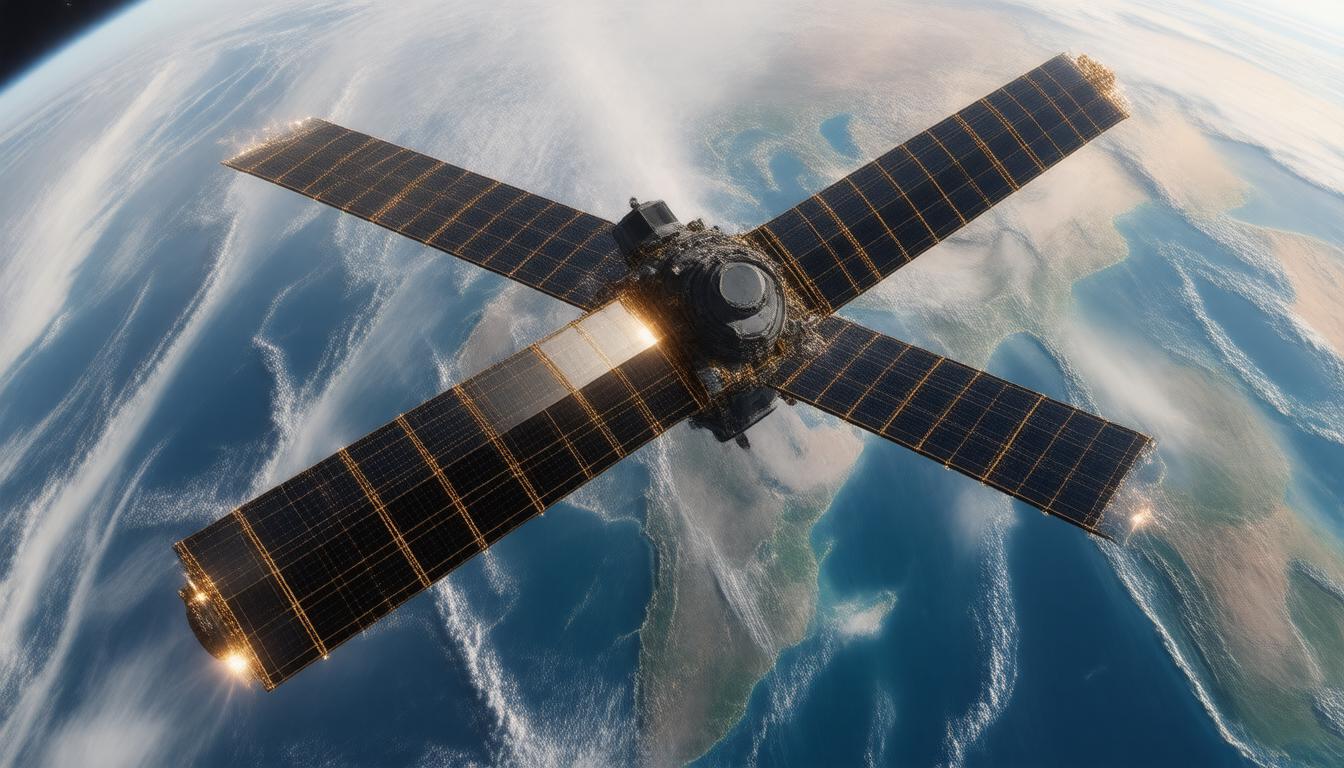
Satellite communication has transformed how we connect, share information, and operate across the globe. As artificial satellites relay and amplify telecommunication signals, they provide vital services that range from broadcasting television to enabling military operations and supporting internet infrastructure. This article explores the workings of satellite communications, the various types of satellites, and their growing significance in enhancing global connectivity.
The Basics of Satellite Communication
A satellite communication system operates by utilizing artificial satellites equipped with transponders that receive signals from Earth, amplify them, and retransmit them back to different locations. This relaying capability creates a communication channel that surpasses geographical barriers, allowing seamless interaction between diverse parts of the globe.
Key Components of Satellite Communication
-
Transponders: These are crucial in receiving, amplifying, and retransmitting signals. Each satellite can house multiple transponders, functioning like channels that operate on different frequencies.
-
Earth Stations: Ground-based antennas that send uplink signals to the satellite and receive downlink transmissions. They can serve specialized functions, such as control links, service links, feeder links, and hub stations.
-
Solar Panels: These provide the necessary power for satellite operations, enabling them to function autonomously in the harsh environment of space.
-
Orbits: Satellites are deployed in various orbital altitudes, which significantly impacts their communication capabilities.

Types of Satellite Orbits
Satellite function and performance are inherently tied to their orbital positions. There are three primary types of orbits used for communication satellites:
-
Geostationary Orbit (GEO): Positioned approximately 36,000 kilometers above the Earth, GEO satellites appear stationary relative to a fixed point on the ground. This reliability allows ground equipment to aim directly at a specific satellite, making these satellites ideal for television broadcasting and international communications.
-
Medium Earth Orbit (MEO): Positioned between 7,000 to 20,000 kilometers, MEO satellites offer a balance between coverage and infrastructure requirements. This orbit is commonly used for GPS satellites due to their ability to cover wider areas with fewer satellites compared to LEO configurations.
-
Low Earth Orbit (LEO): At an altitude of just a few hundred kilometers, LEO satellites facilitate reduced latency communications, making them suitable for mobile phone services and real-time applications. However, to maintain constant coverage, a constellation of multiple LEO satellites is often necessary.
The Evolution of Satellite Technology
The development of satellite communication was pioneered by visionaries like Arthur C. Clarke, who outlined the concept of geostationary satellites in the 1940s. The first artificial satellite, Sputnik 1, launched in 1957, marked the beginning of space-based communications. Since then, advancements in technology have led to improvements in satellite design, resilience, and operational lifespan, with many satellites expected to function for over 15 years.
Enhancements and Innovations
With the rise of the Internet of Things (IoT), demand for reliable satellite communication has surged. Innovations such as software-defined satellites, which allow for reconfiguration even after deployment, are paving the way for more versatile and efficient communication systems. Enhanced bandwidth and signal quality are making satellite communication more appealing for various applications, from remote healthcare services to agricultural monitoring and disaster response.
The Future of Global Connectivity
As nations and organizations continue to invest in satellite technology, the potential for global connectivity becomes increasingly promising. New satellite networks are being planned and deployed to expand internet access in underserved areas, break down the barriers of geographical isolation, and enable robust communication channels for real-time data exchange.
In conclusion, satellite communication is crucial in our interconnected world, facilitating real-time communication and providing vital services across various sectors. As new technologies and advancements emerge, the future of satellite communication will likely play an even more profound role in shaping global connectivity and interaction across diverse domains. The sky truly is the limit.
Join Alpha Centi and give a unique boost to your career and professional profile today! [color=rgb(4, 53, 157)]https://alphacenti.org/join/[/color]